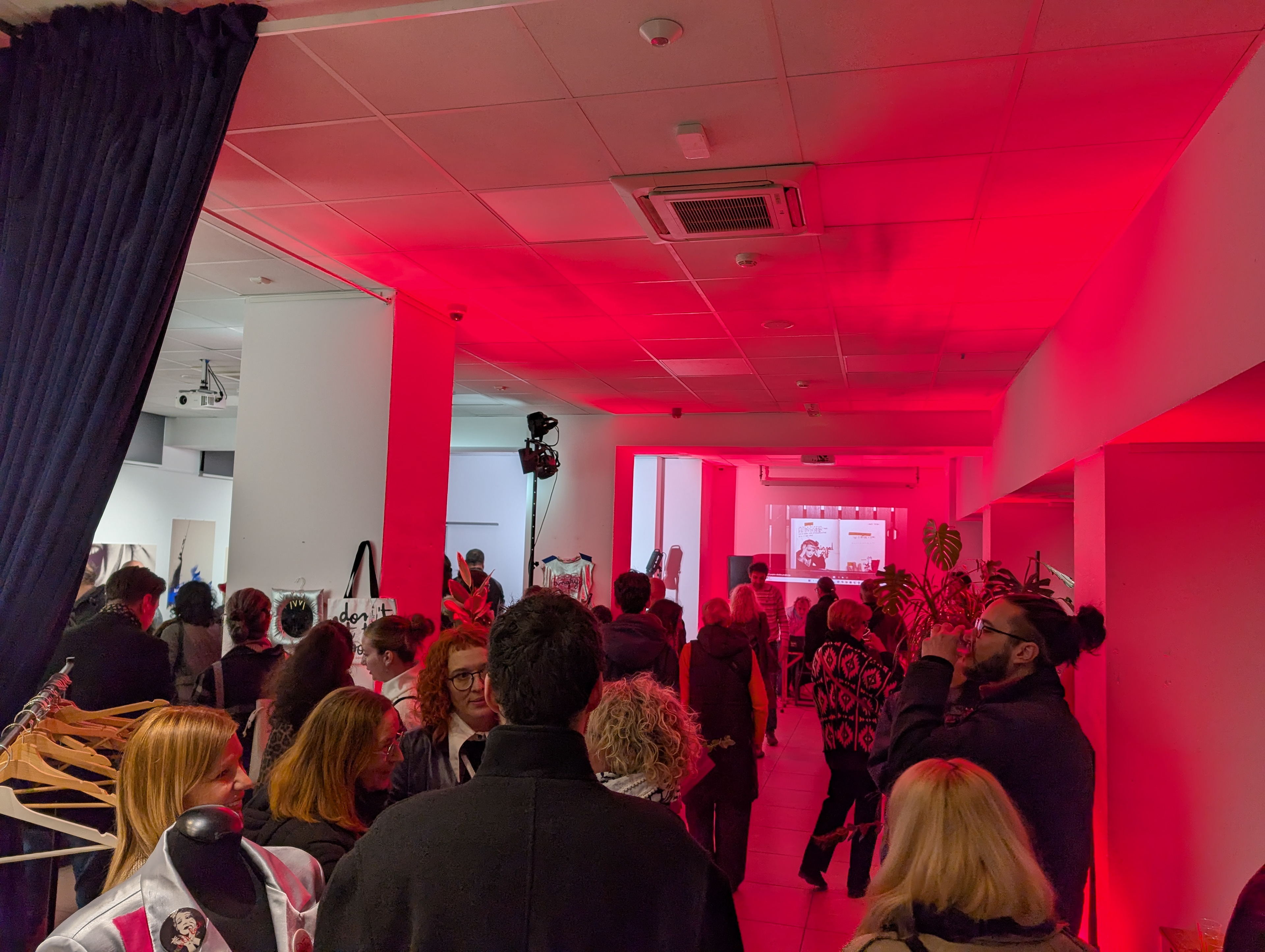
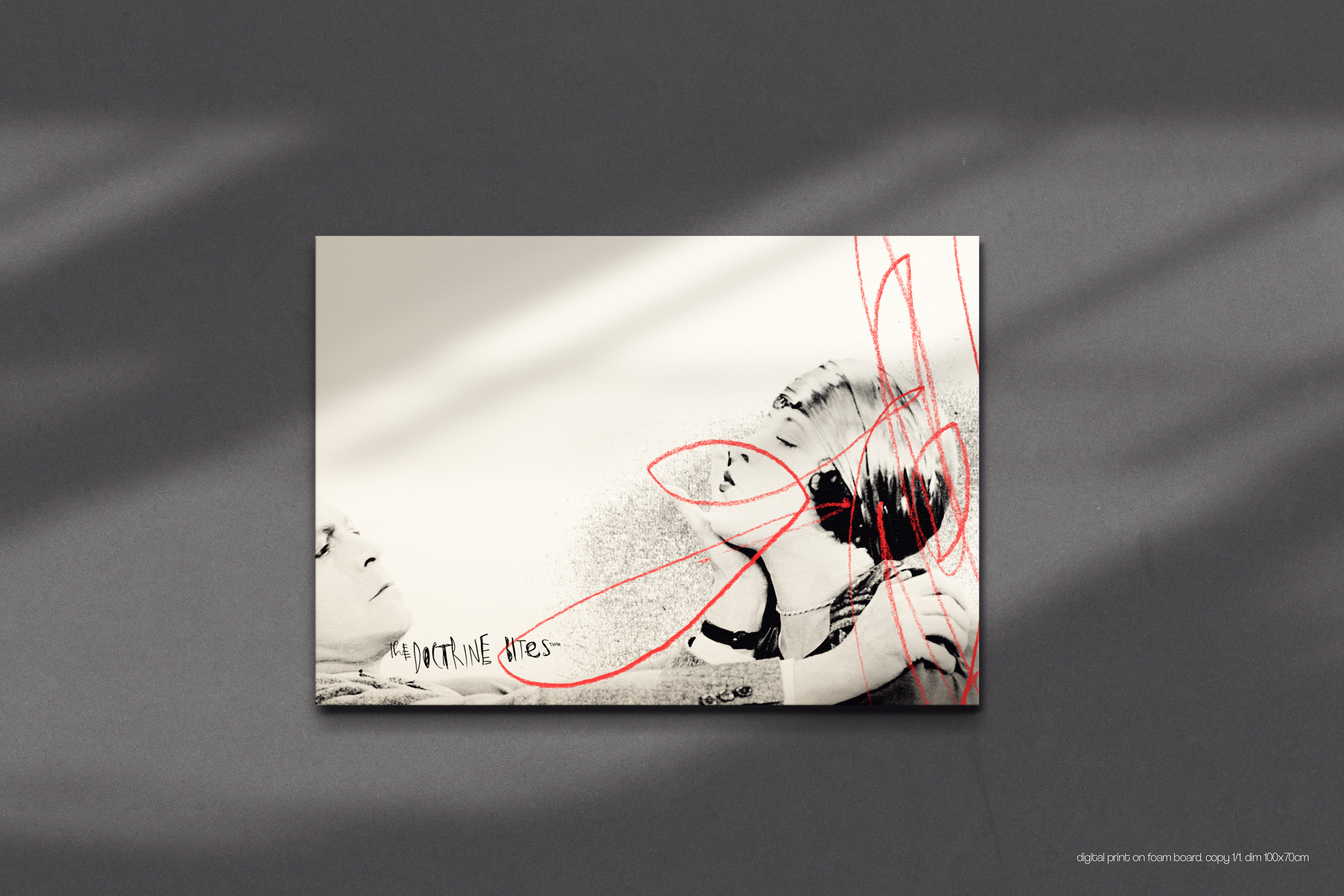
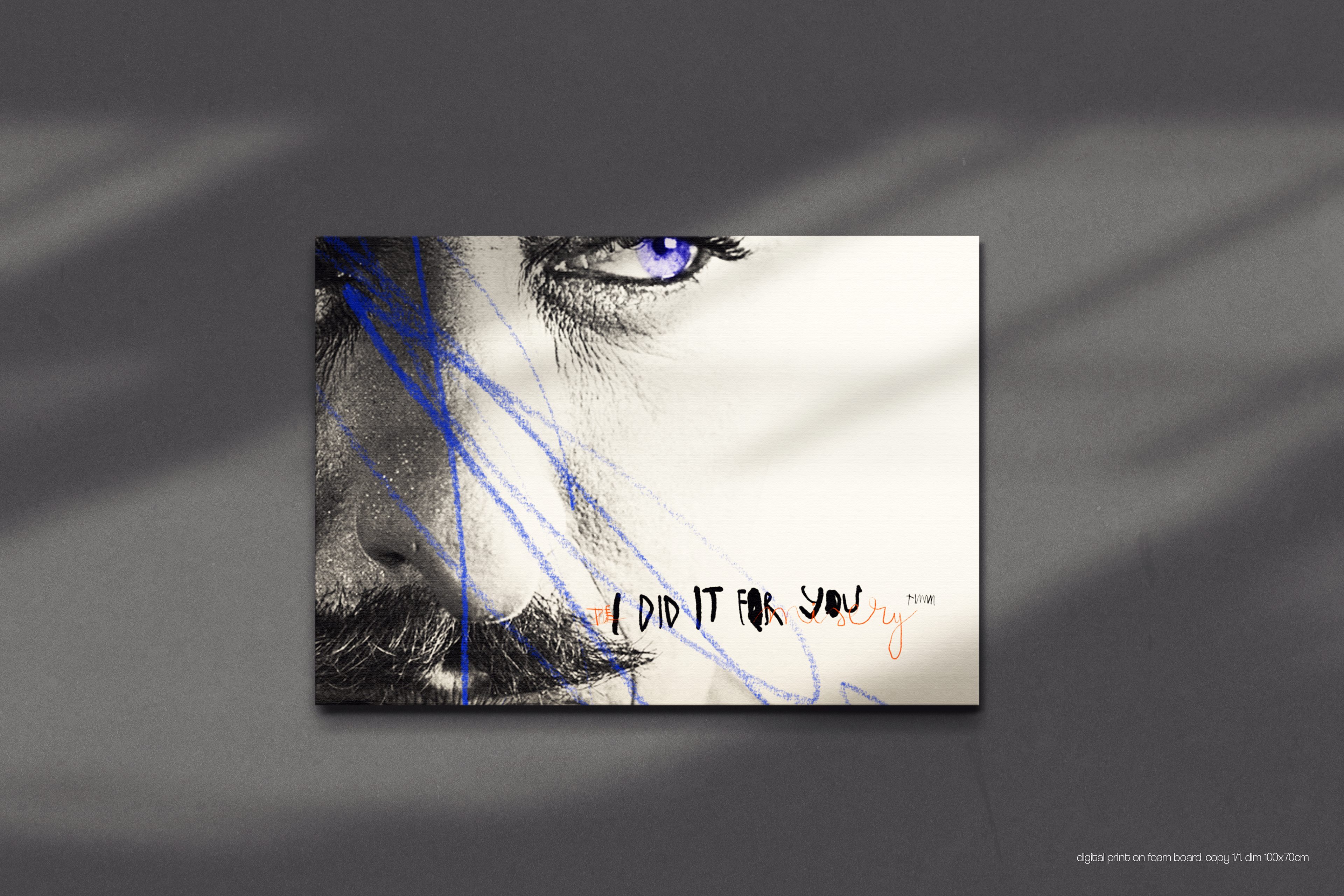
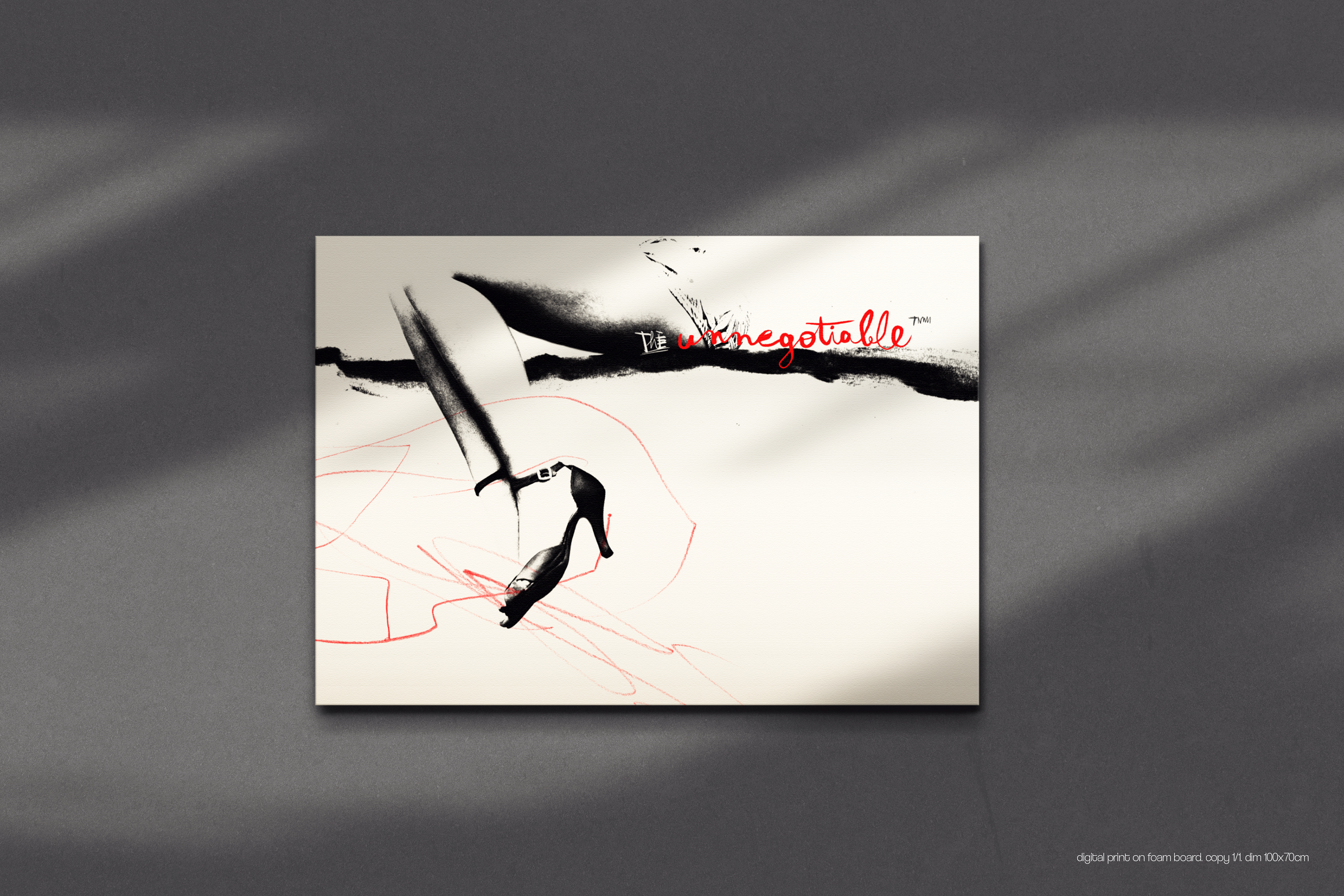
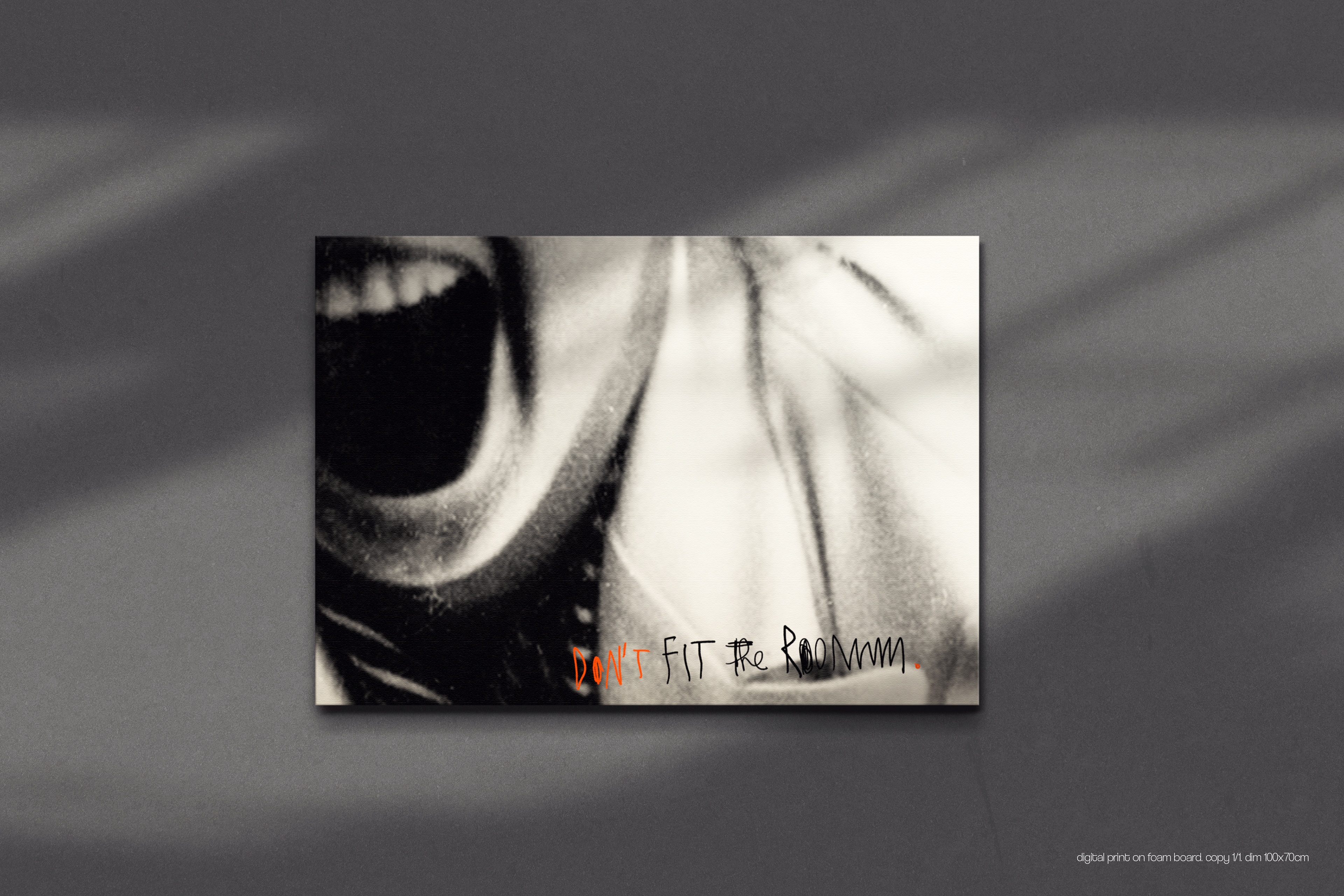
Opening Remarks for The Unfooled
Dejan Radovanović
American Corner, Novi Sad
March 19, 2026
American Corner, Novi Sad
March 19, 2026
"I’m not here tonight as an art historian. I’m here as Oli’s self-appointed dad. Somewhere along the way, while we were colleagues at the Provincial Institute for the Protection of Cultural Monuments in Novi Sad, I claimed the title and never really gave it back.
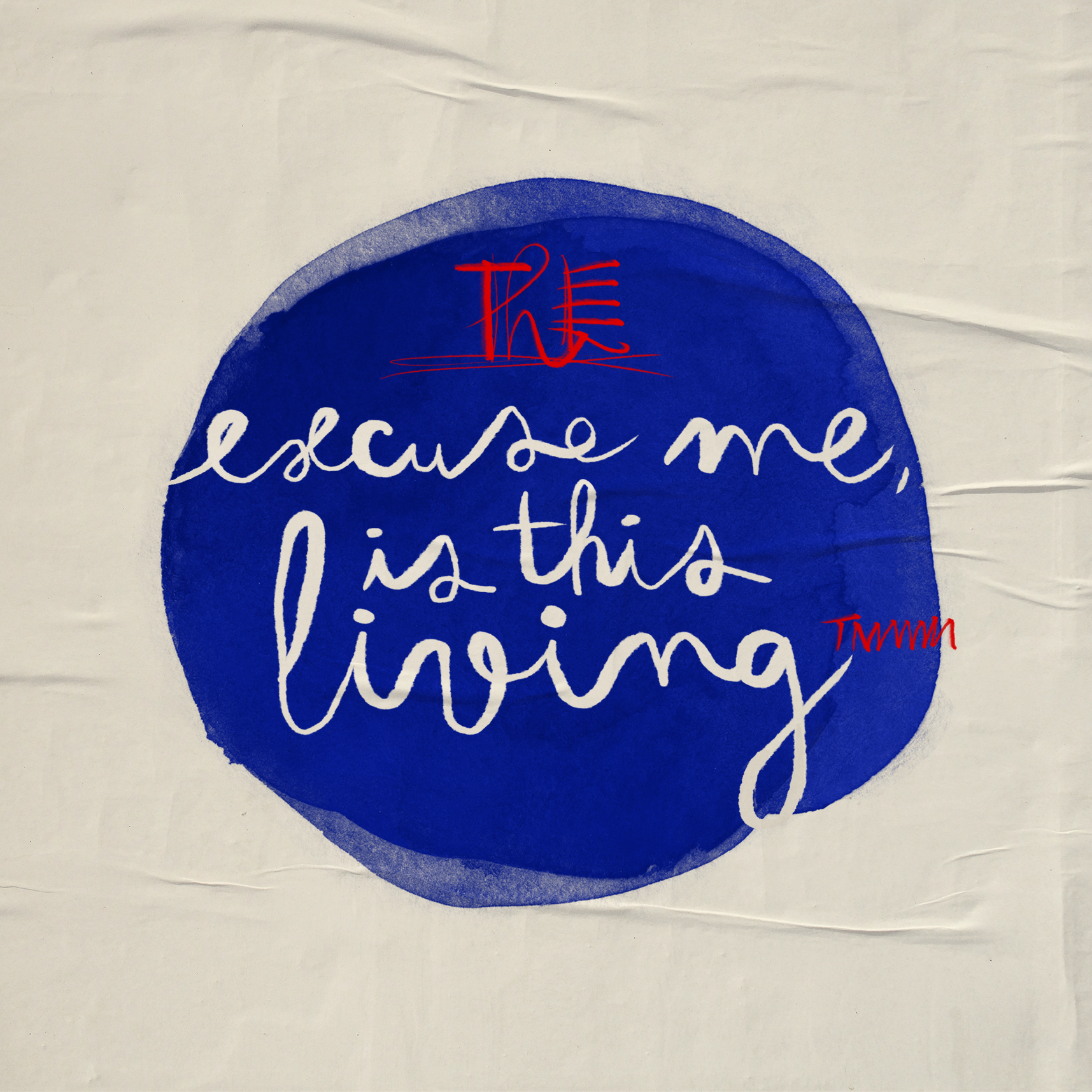
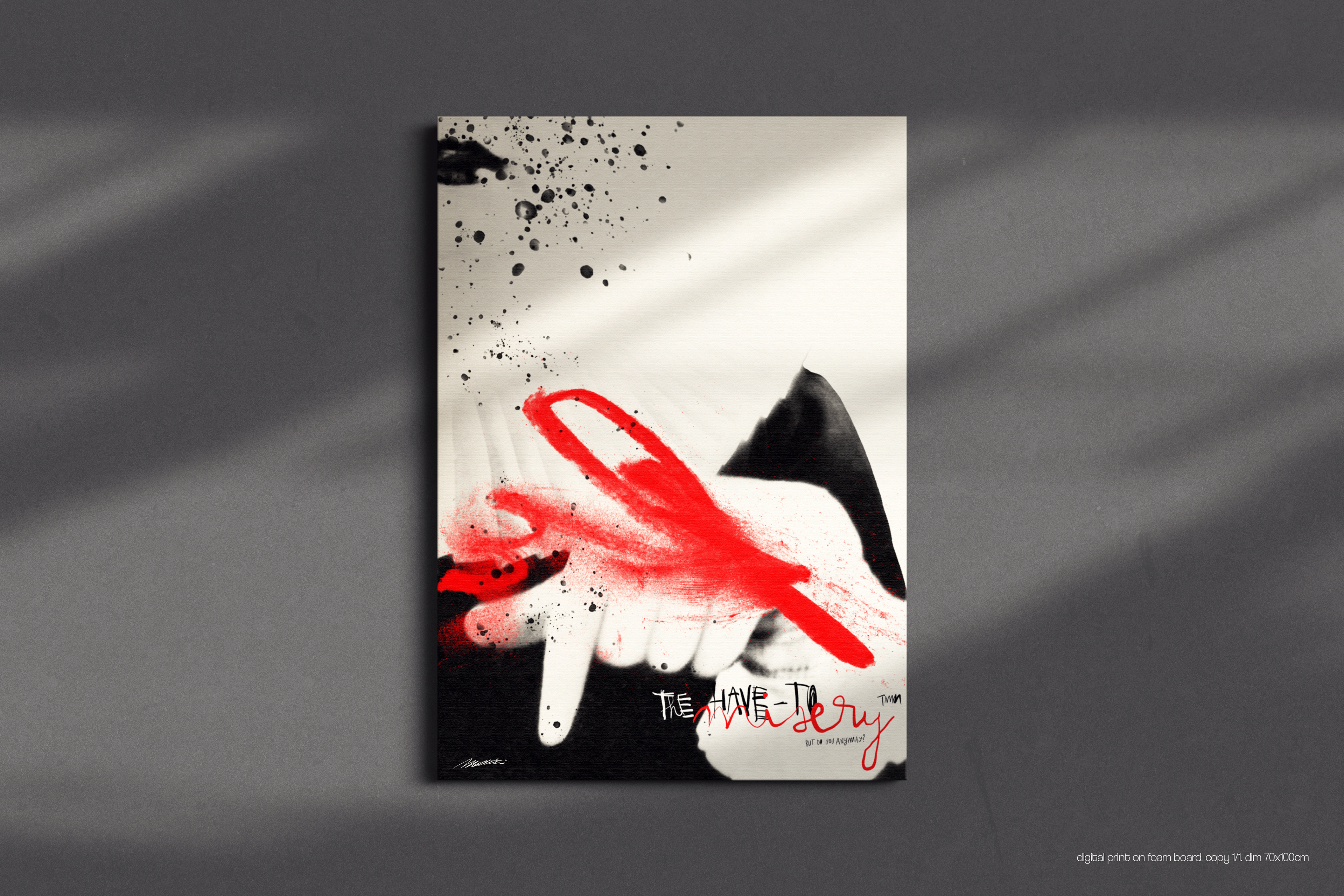
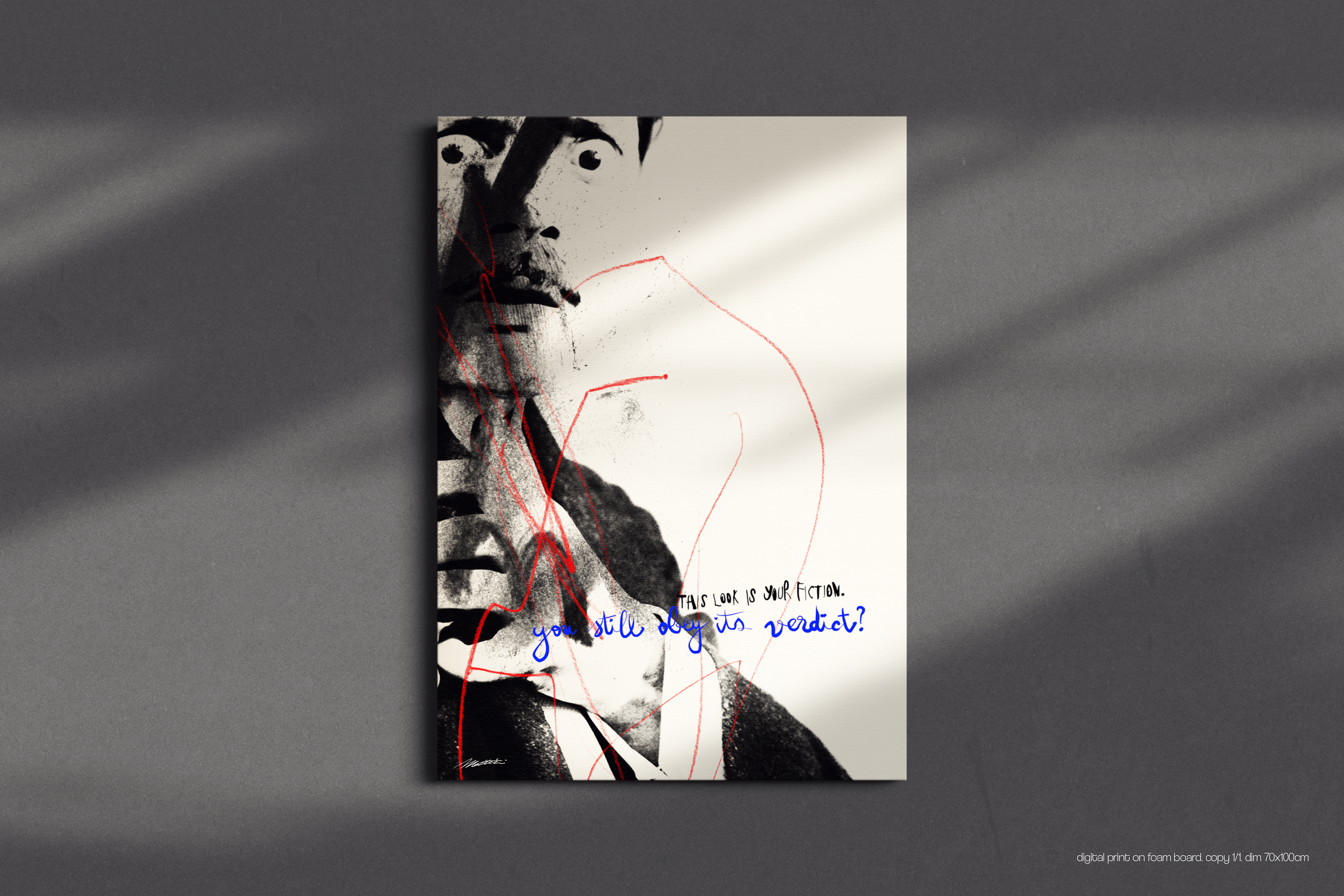
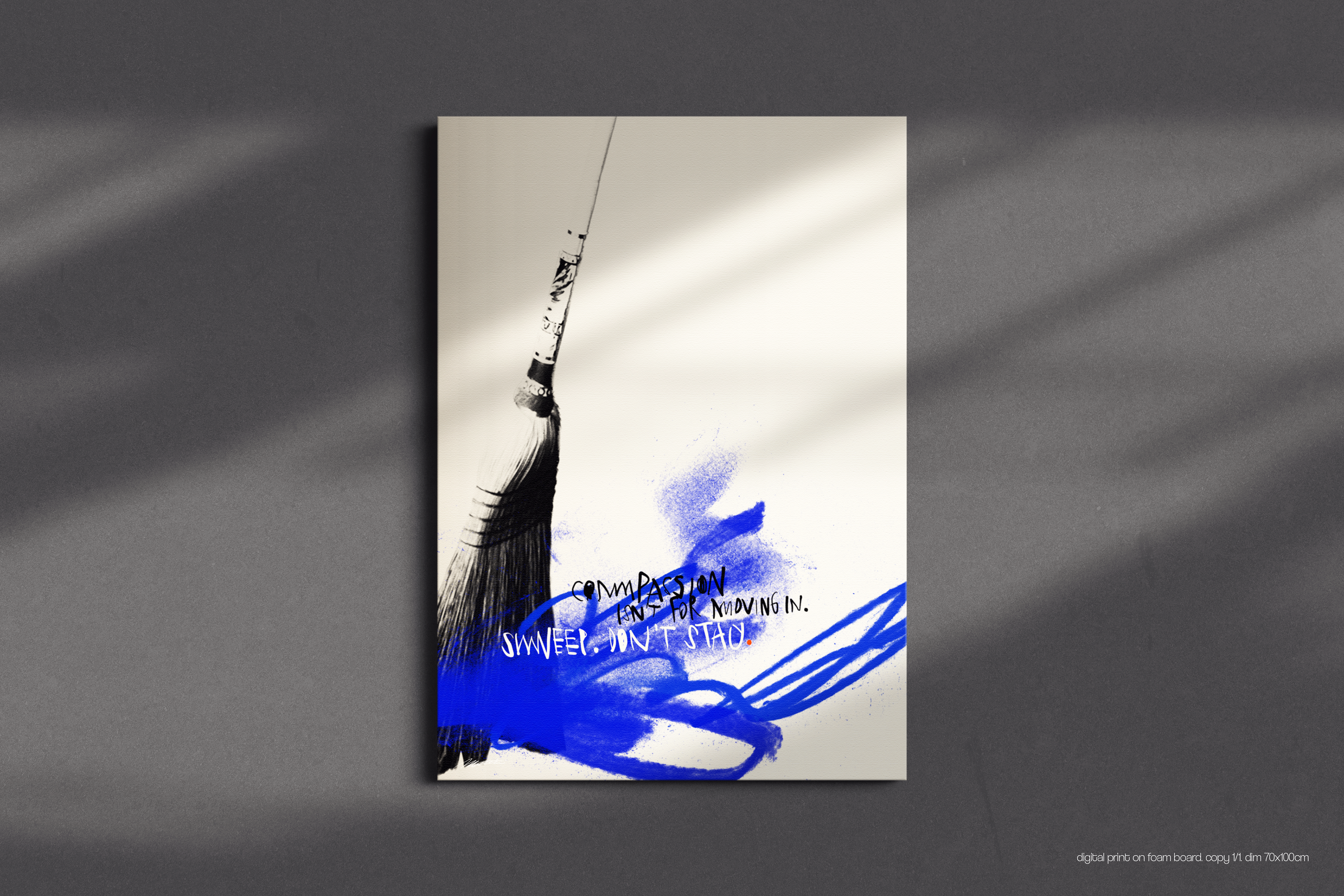
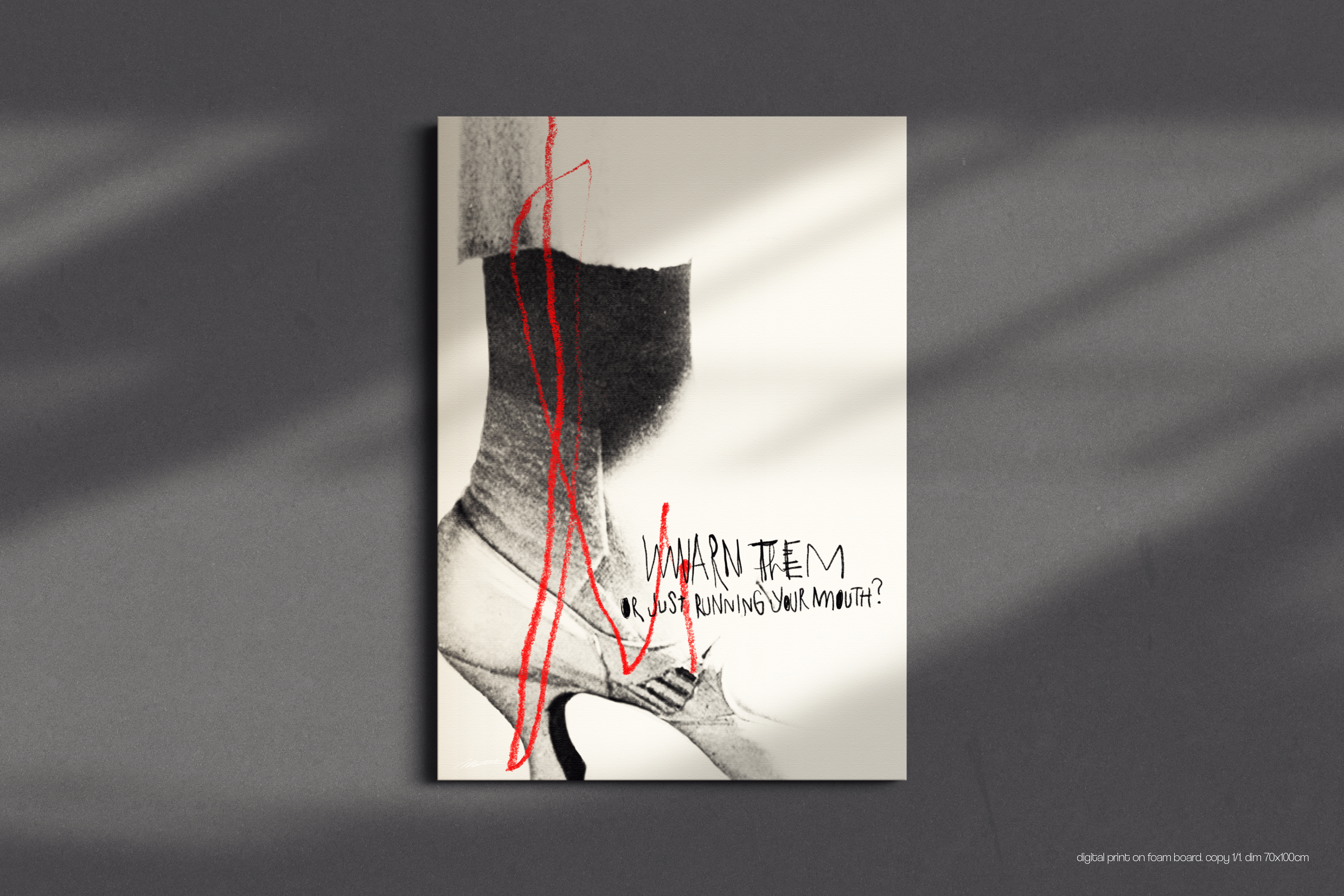
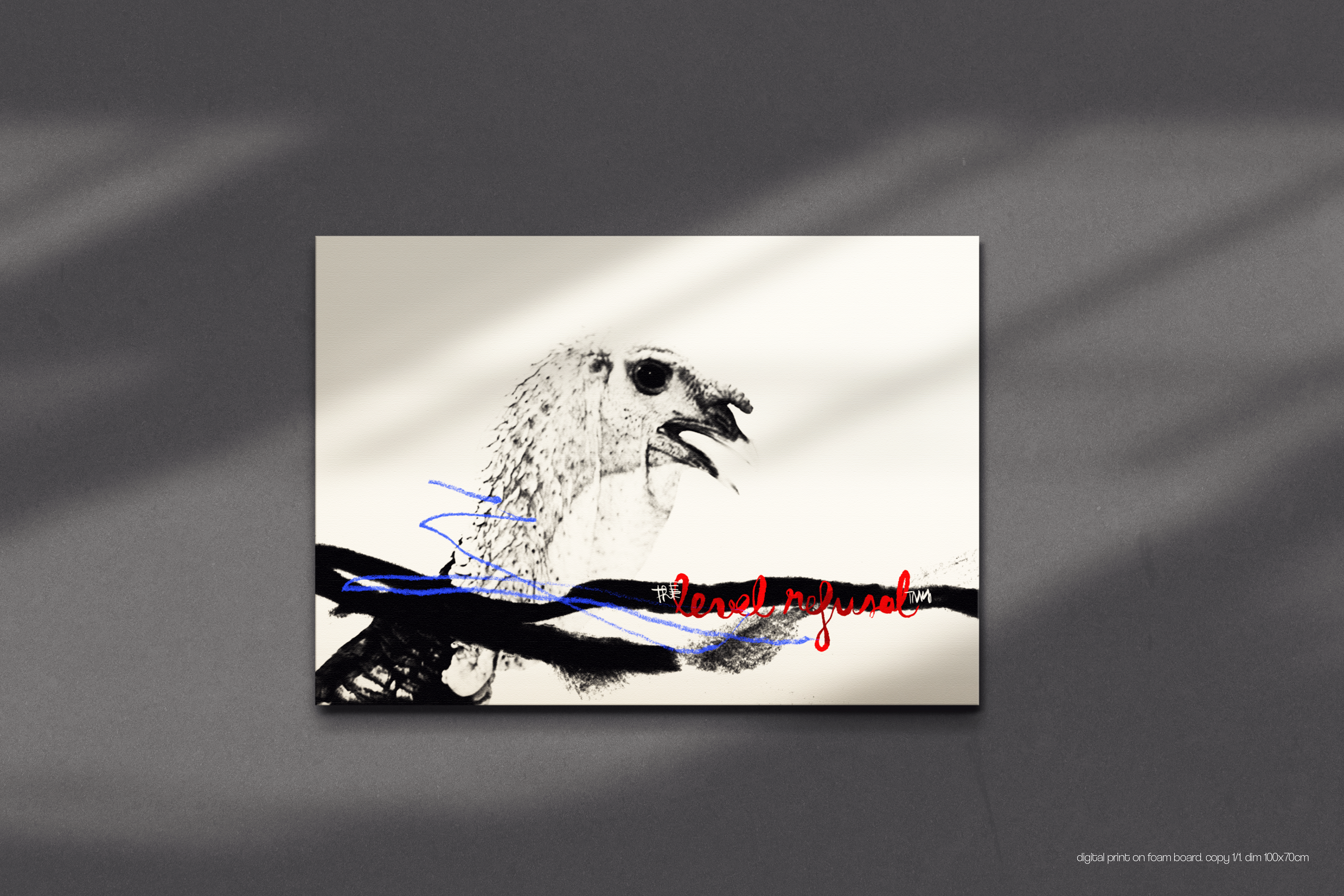
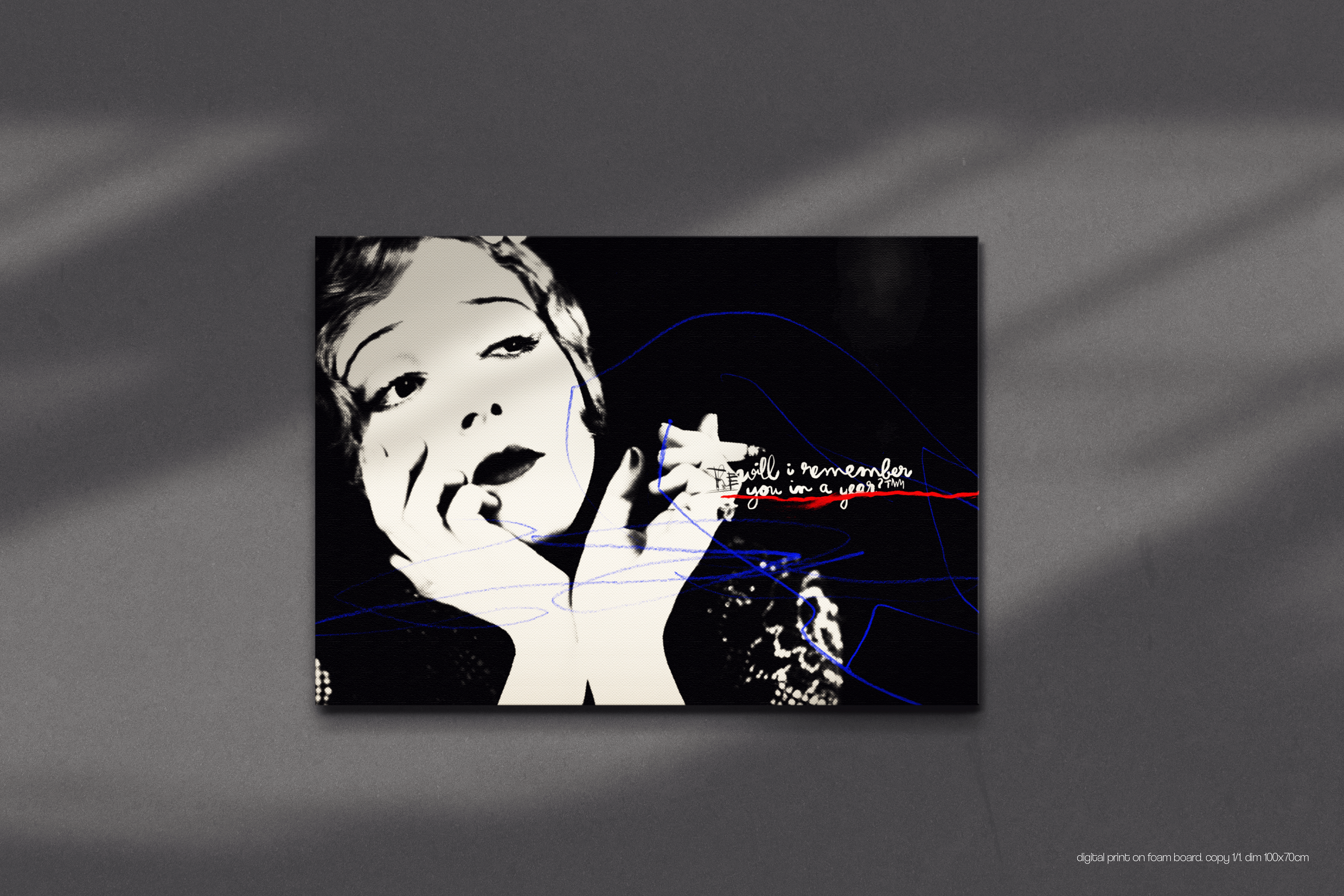
So, what is The Unfooled? That’s something each of us has to translate for ourselves. Try it. Come up with your own definition before you read the book, and then, once you’ve finished it, I guarantee you’ll revise that definition several times. I certainly did.
At first, I thought I’d figured it out. The Unfooled. Simple enough. Someone who hasn’t been fooled. Then I read the book. Three times. And every time it seemed to look back at me and ask, “You’re going to tell me what it means?”
She has given us a story about belonging. And that’s an interesting story, because every one of us wants to belong somewhere. Oli found her place by remaining exactly who she was. She fit in by refusing to become someone else.
How do you stay different, yet remain completely normal, in a culture that’s increasingly becoming… well, seeing as we’re standing here in the American Corner… increasingly American? A culture of psychotherapy and psychoanalysis. Anyone who’s had the good fortune to read Salinger will remember exactly what he thought of therapists and psychoanalysis. He despised the whole idea of adapting yourself to a world built on advertising and appearances. He thought it was a terrible bargain.
Oli doesn’t make that bargain.
Instead, she tells the truth. The truth about herself, about the world around her, and about the world she lives in. But she tells it in a way that’s fascinating because, at her age, to carry around Monty Python, the absurd worlds of Radovan III and King Ubu, Amélie, and everything they represent is remarkable. It’s a whole universe of references, all leading to one simple conclusion: we can only understand something once we’ve reduced it to a joke. To a farce.
Let me remind you that realism in painting was born out of caricature. Honoré Daumier's caricatures came first. Why? Because the purest expression of truth becomes funny the moment it’s stripped down to its essence. Even the most tragic truth, once you bring it back to its simplest form, reveals itself as farce. And that’s where understanding begins.
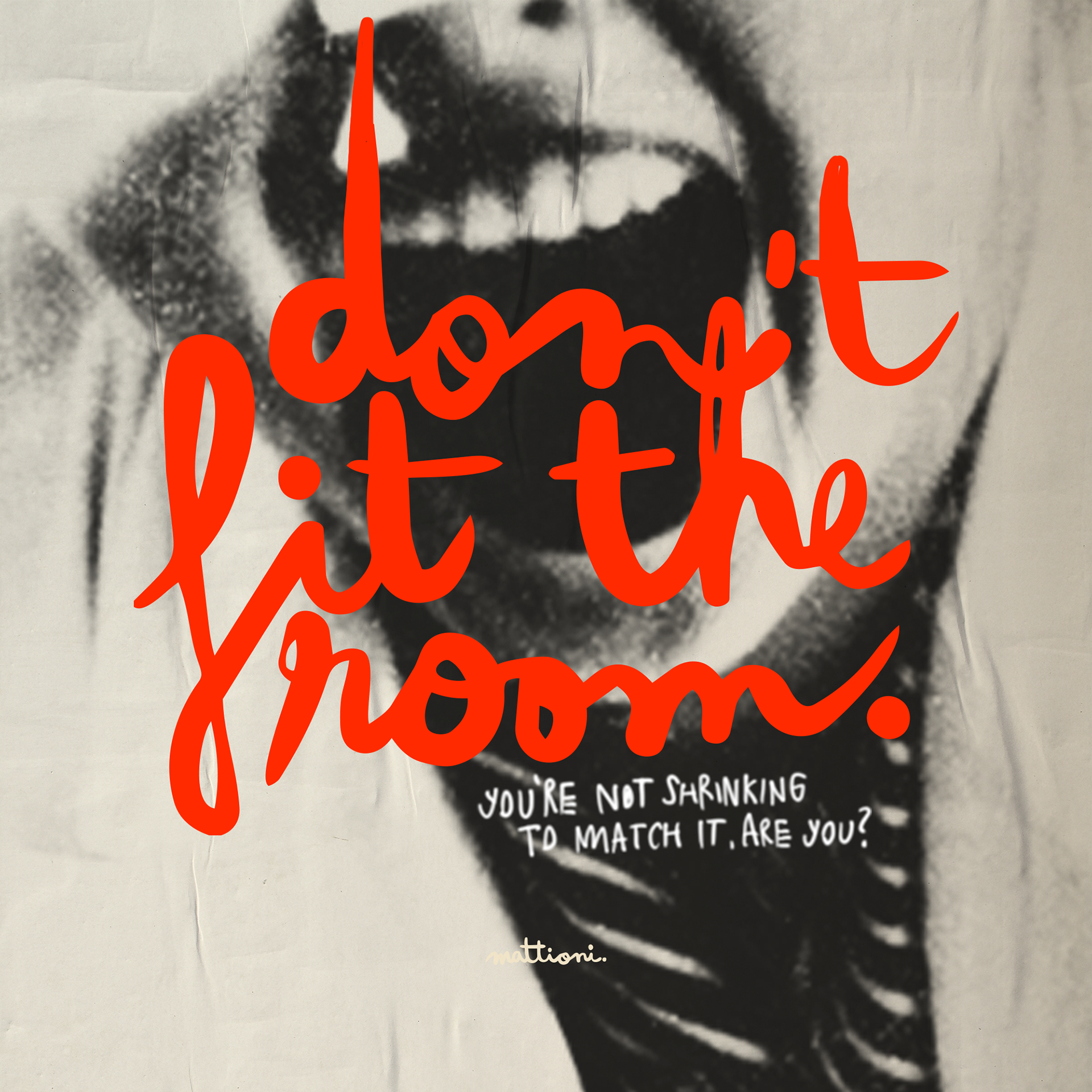
That’s exactly how Oli works. Like a restless, gloriously unadapted child who keeps asking, “But why does it have to be like that?” Or simply says, “No. I’m not doing it that way.”
You have to… you simply have to… never grow up in the wrong way. Never adapt to the madness around you. Instead, you have to find both the child and the parent within yourself. That’s what this book offers, and it offers it remarkably well.
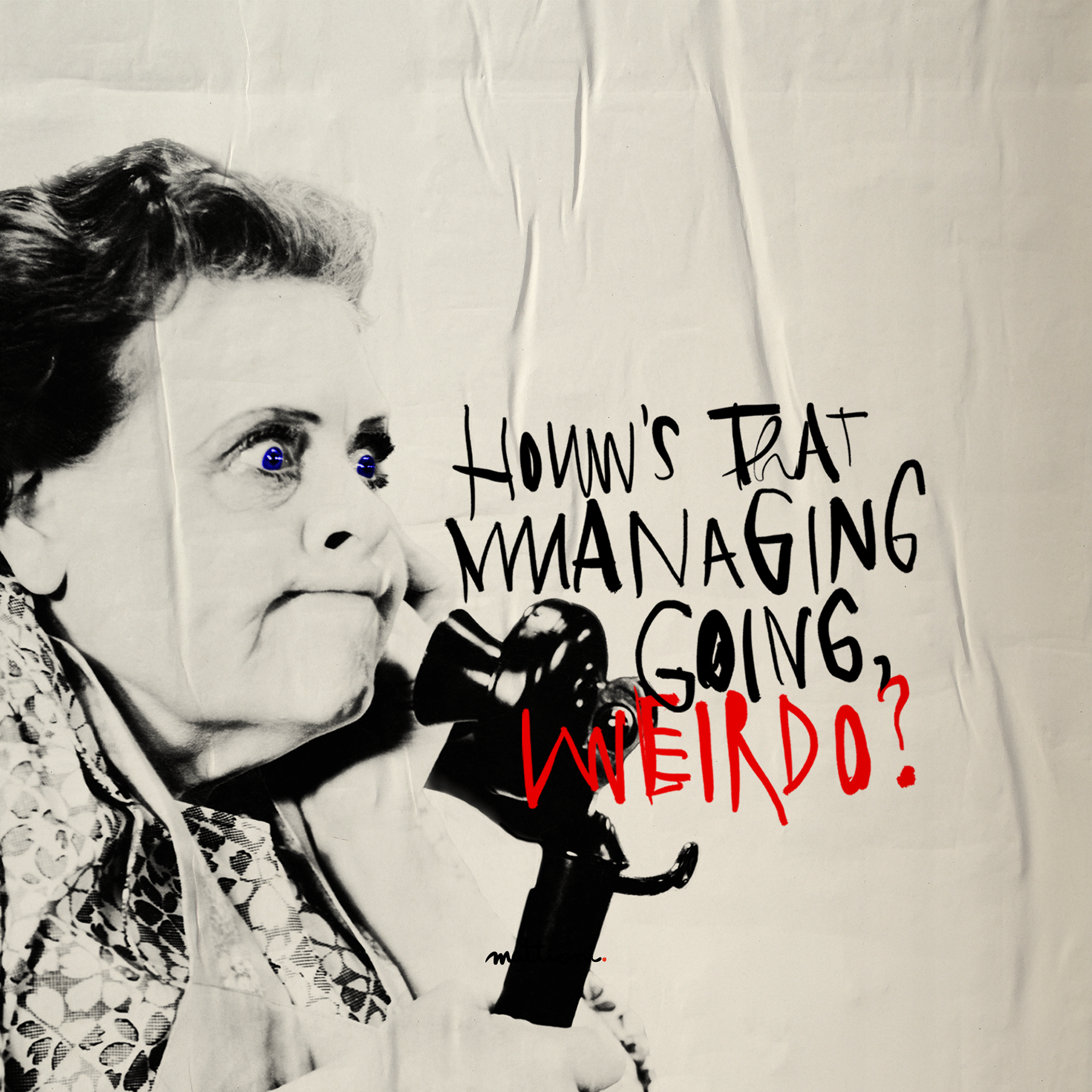
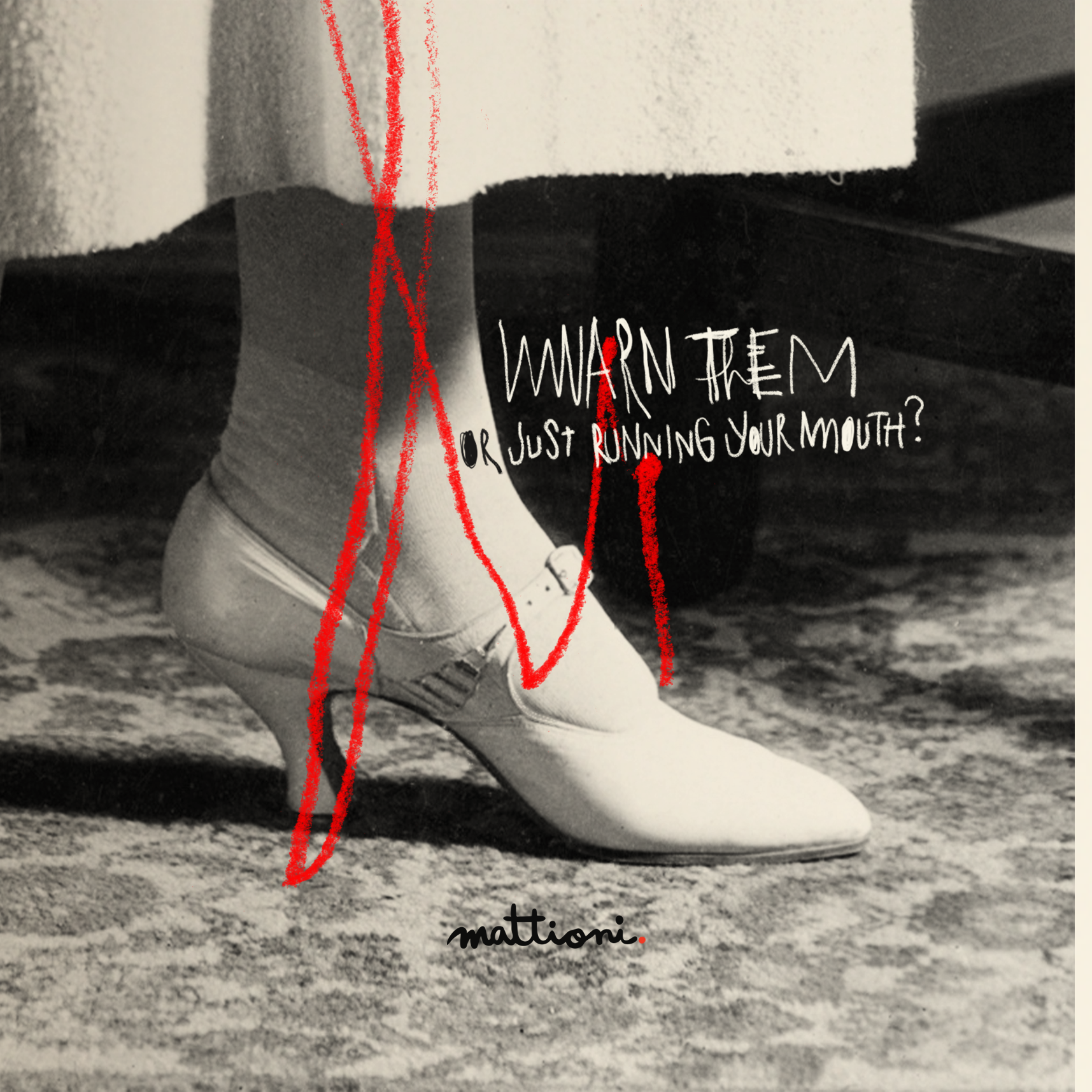
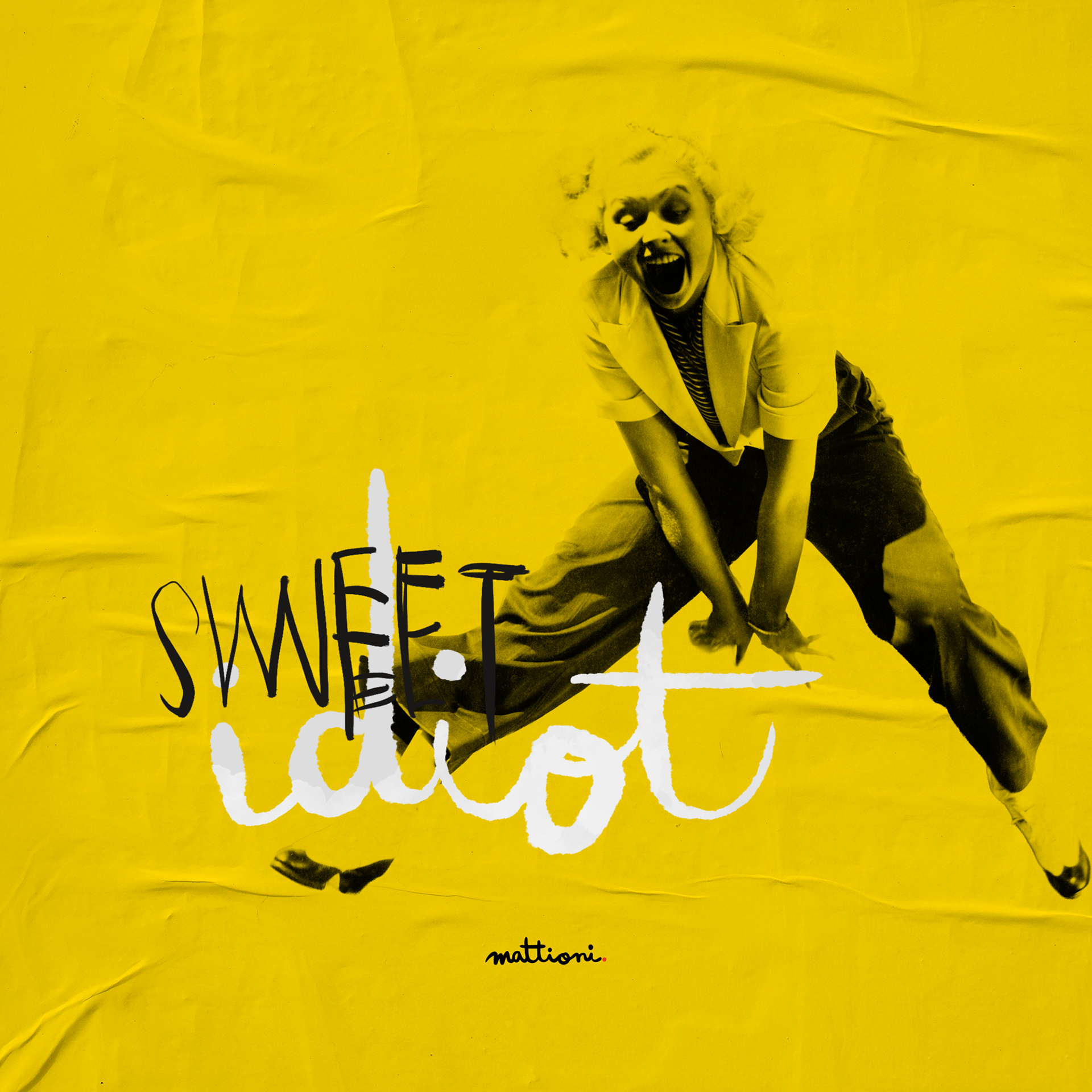
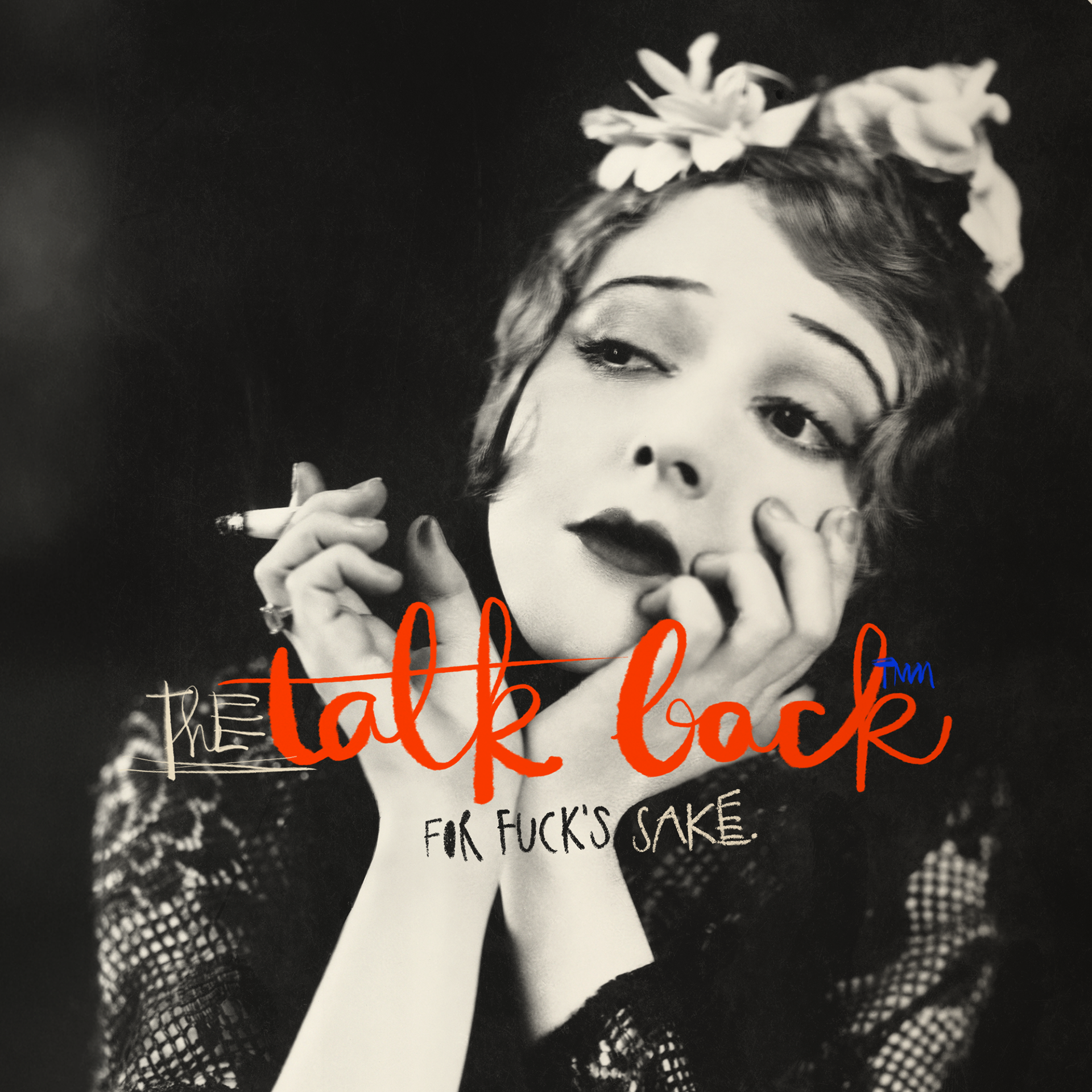
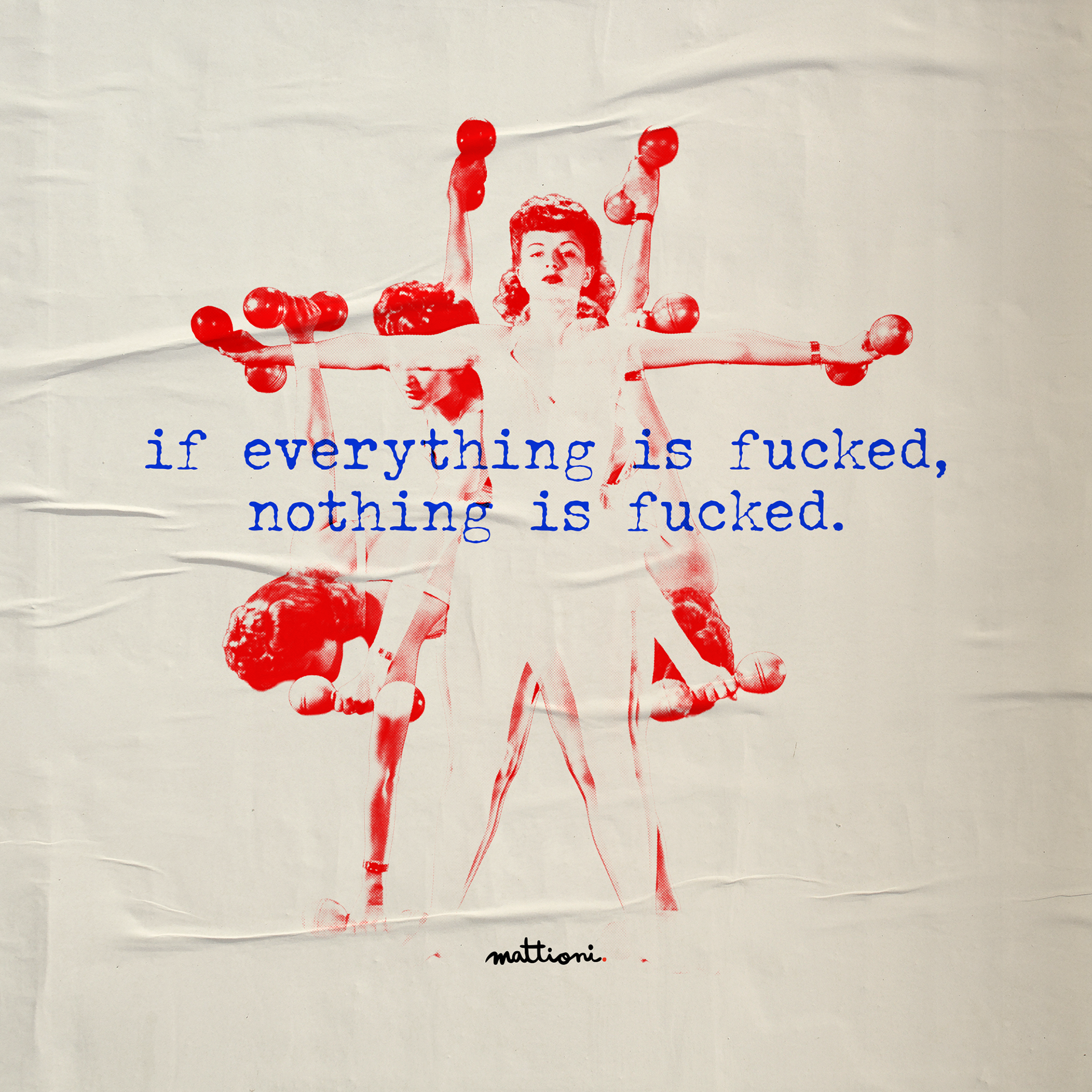
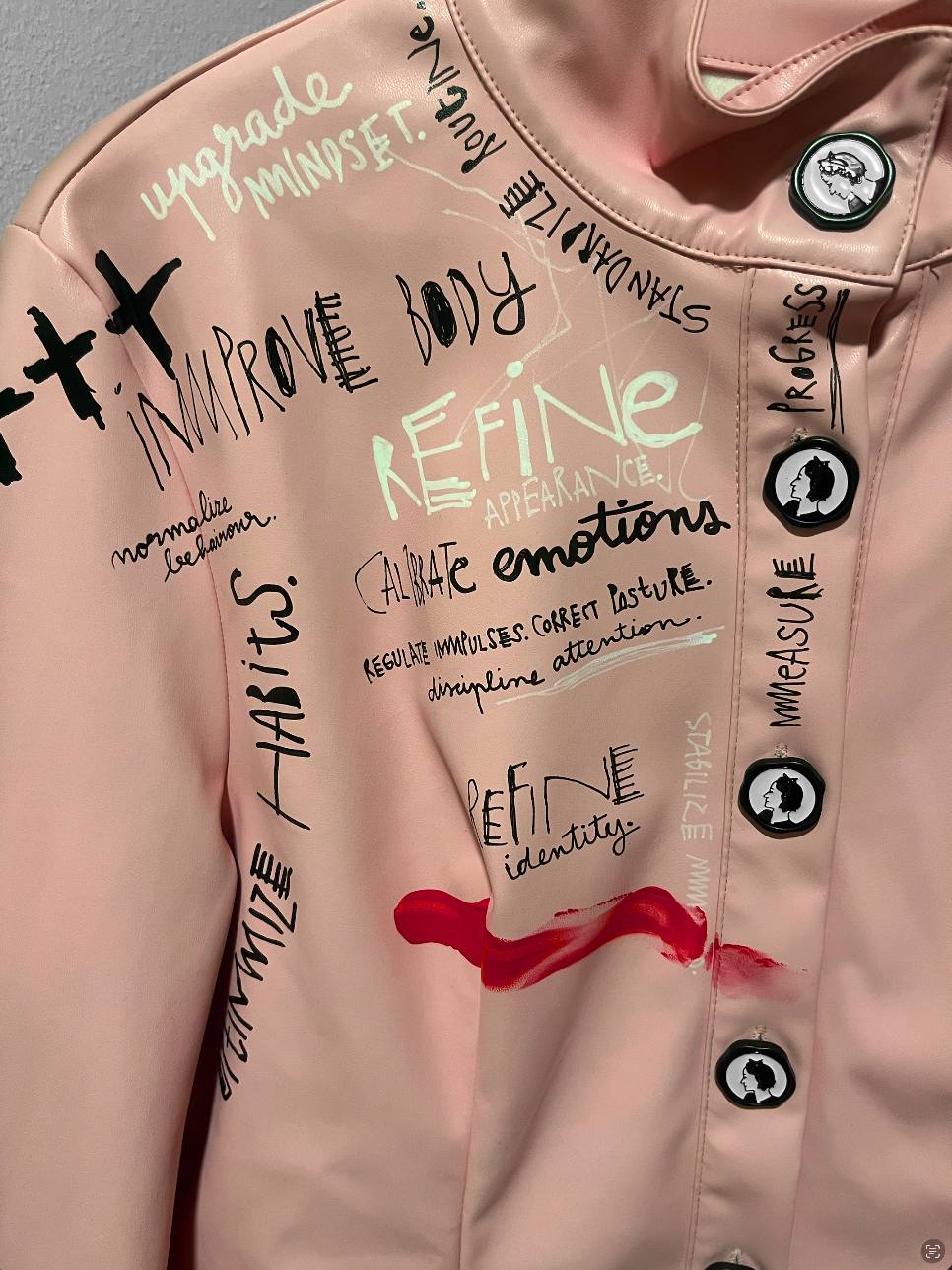
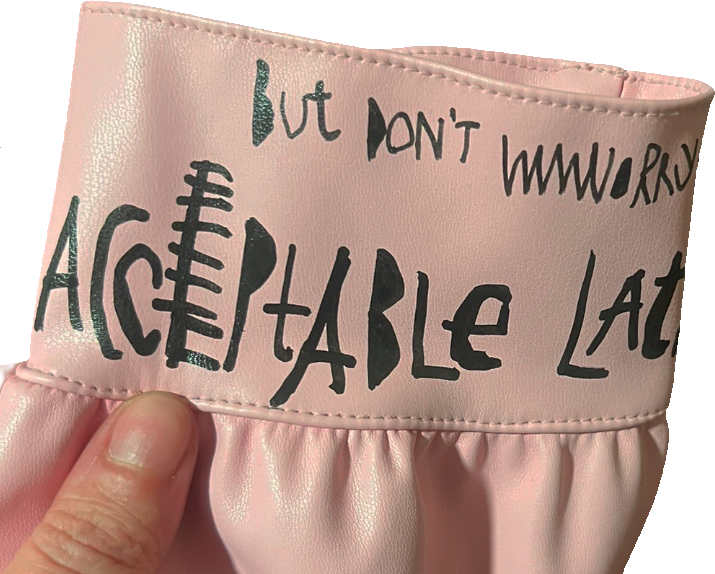
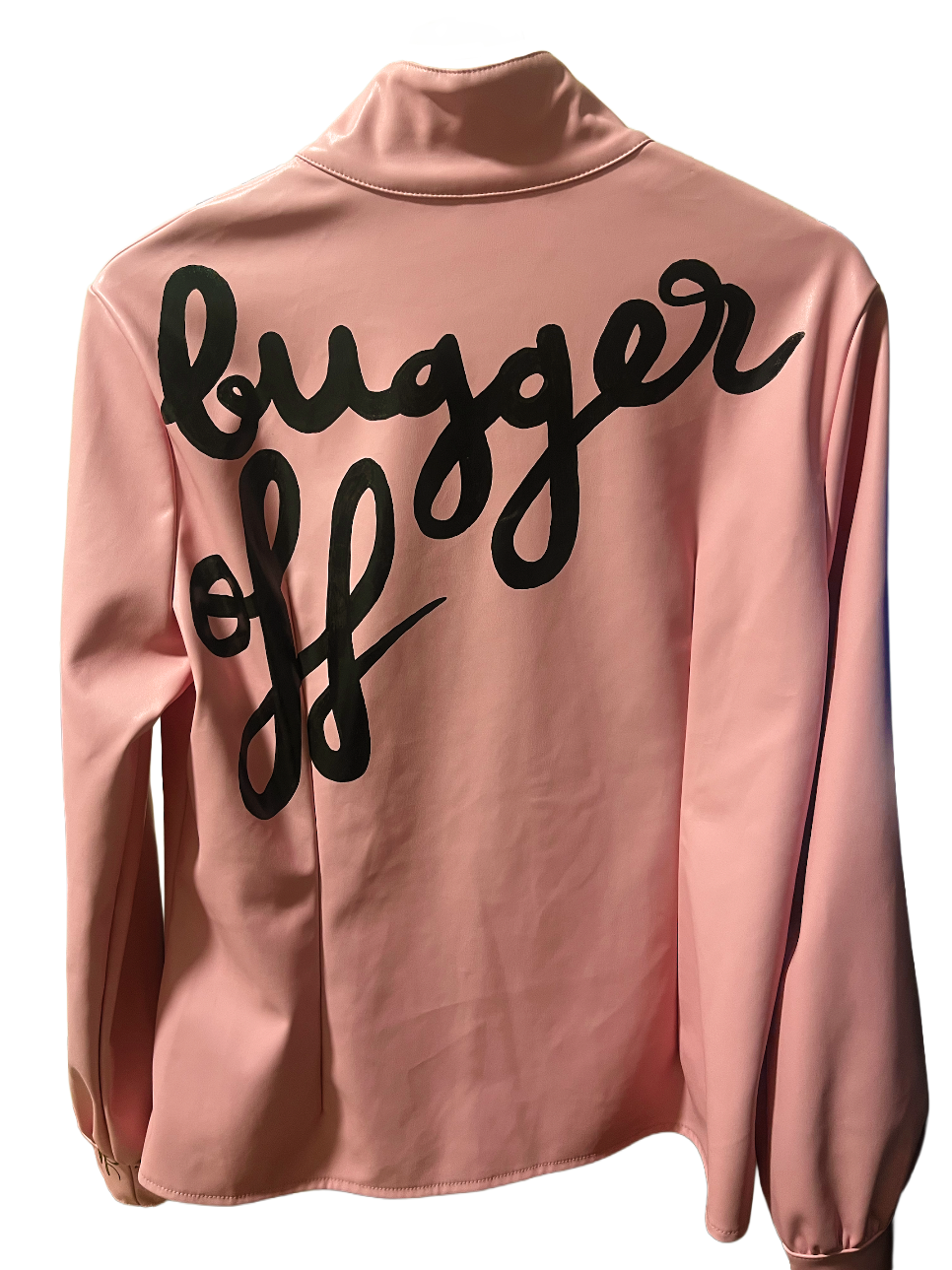
True to herself, Oli chose to tell that story in her own way. She wrote the entire book in her own handwriting, what I like to call Oligraphy… something that’s only half-legible, but completely recognizable. Every one of us will recognize something of ourselves in it. Because that’s the only key she offers us: a personal one.
Oli has always been my favourite kid. Ever since I’ve known her, she’s had… let’s call them special requirements. She always has. Back when we used to ride the bus across Novi Sad to the neighbourhood where we both lived, we’d get on at the first stop, I’d announce, “I have a daughter,” and people would immediately get up and offer us their seats. Isn’t that right? I’m not making any of this up.
Her greatest gift is the ability to talk about the most serious things in a way people can actually take in, while having a fucking good time doing it.
And she does. Brilliantly.
Thank you, Oli. And with that… the exhibition is officially open. Read the book. And remember Oli when she runs away from us."
Excerpt from national television coverage of “The Unfooled” exhibition